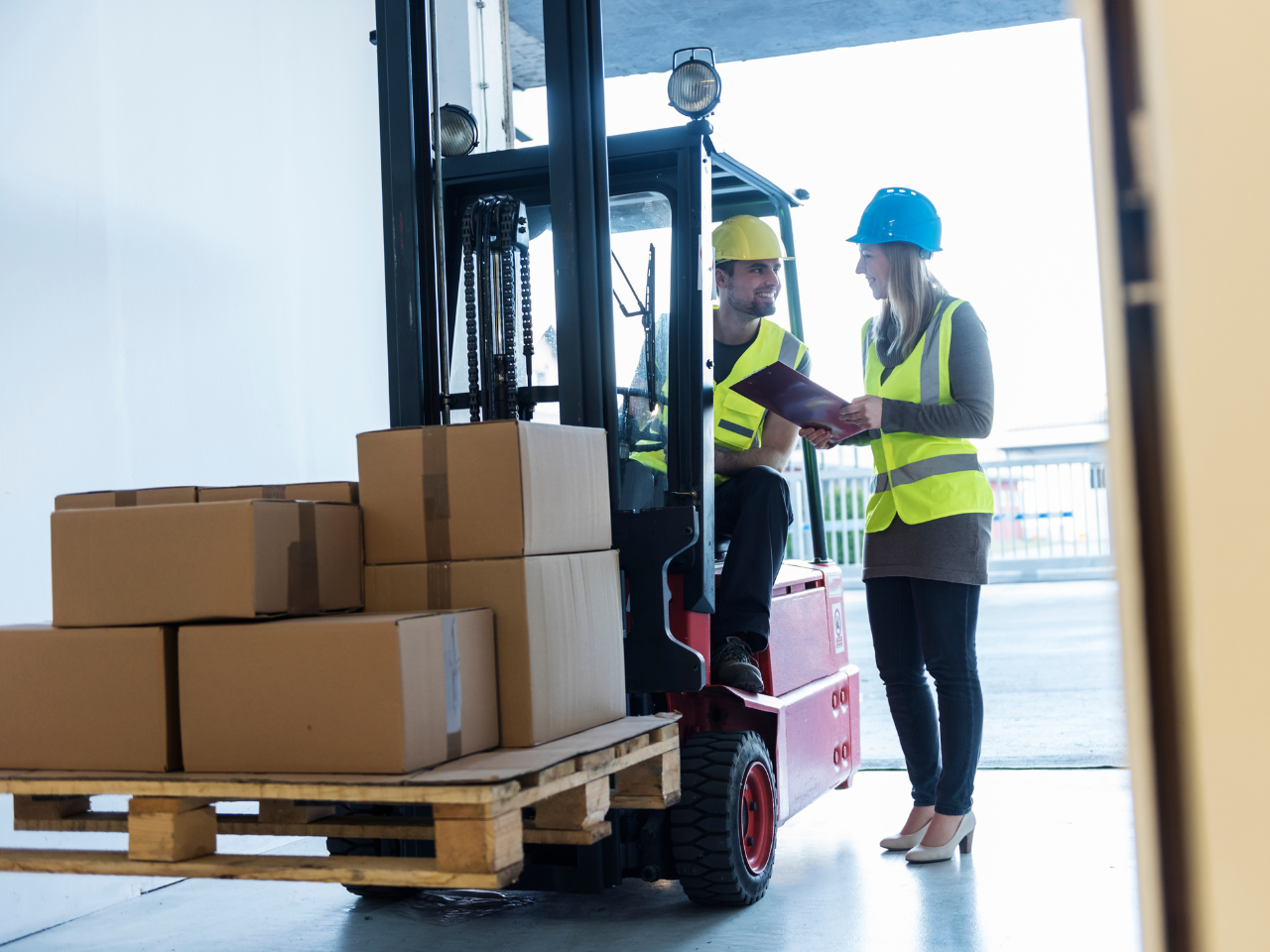
Choosing the right forklift for your project is essential for site safety and efficiency. While they are similar, standard forklifts and all-terrain forklifts are different and figuring out which one suits your project is critical.
In this guide, we break down the key differences to help you choose the right machine for your next job.
What is a Standard Forklift and Where Are They Used?
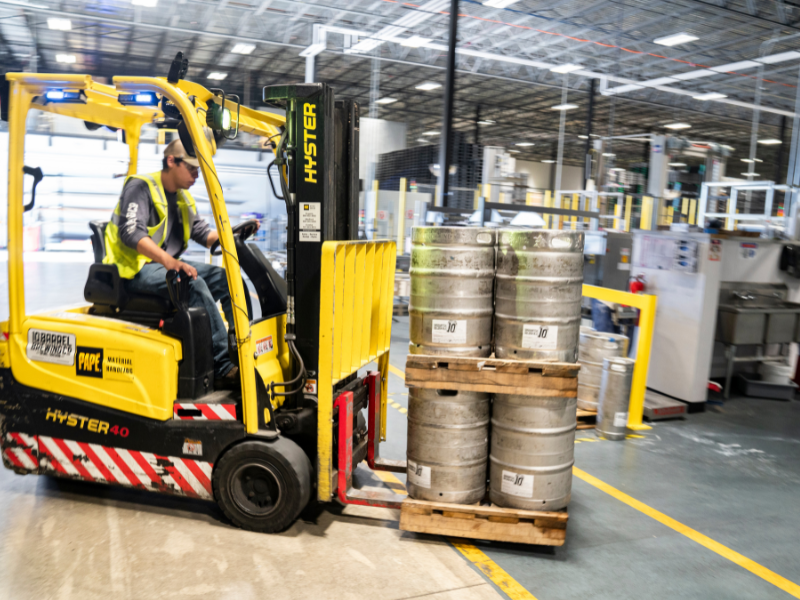
A standard forklift or a counterbalance forklift is the most common type of forklift that you see on jobsites across the country and the world. Each machine has two front forks and a heavy weight at the back to offset the load being top-heavy and lifting up. Standard forklifts are designed for speed, agility and high-frequency lifting on stable, smooth surfaces. They also come in a range of different power options like electric, lithium battery and petrol.
They are most commonly used in:
- Warehousing
- Distribution Centres
- Manufacturing
- Retail Spaces
Features of a Standard Forklift
- Standard forklifts are fitted with solid, resilient or cushion tyres for smooth driving
- Lower ground clearance makes them incredibly stable indoors
- Standard forklifts are available in a wide range of shapes, sizes and fuel types, including LPG, electric and diesel
- Compact design allows for tight turning circles, perfect for warehouses and indoor spaces
What is an All-Terrain Forklift?
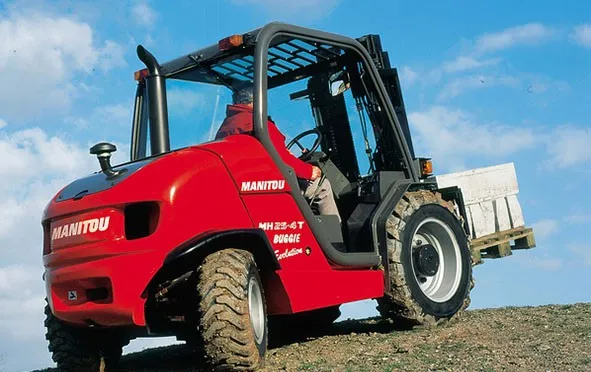
All-terrain forklifts are specifically designed to handle muddy, uneven ground, making them perfect for farms, construction sites, mining and in the agricultural sector. Unlike standard forklifts, these durable machines feature high ground clearance, reinforced chassis and powerful engines that can take on mud, gravel and sand with confidence.
What Are The Features of an All-Terrain Forklift?
- High-Traction Tyres: Unlike the smooth tyres of standard forklifts, 4WD forklifts feature large, pneumatic tractor-style tyres with deep treads, making them great for moving over slippery and uneven ground.
- Superior Clearance: A high-clearance chassis and specialised suspension allow the forklift to navigate seamlessly over debris, rocks and muddy terrain without bottoming out.
- Reinforced Build: All-terrain forklifts are sturdy and are designed to withstand the rugged landscapes and jobsites. They can also withstand the physical stress of moving heavy loads across unstable ground.
- Powerful Diesel Engine: To handle the physical demands of off-road surfaces, you need an engine that’ll be up to the challenge. All-terrain forklifts are powered by a high-torque diesel engine, providing the raw power needed for outdoor workplaces.
How To Choose The Right Forklift For Your Job?
Choosing the right type of forklift depends on a variety of factors. To get the most out of your forklift, consider the following factors:
Location
Is your workplace inside or outside? Is the floor surface smooth or rough? Looking at the conditions of your jobsite is the key to deciding which forklift to go with. If it’s inside with smooth floors and you need it to reach high up onto shelves, then a standard forklift is for you. If you are working in the mining or agricultural sector and have to traverse across gravel and muddy fields, then a heavy-duty all-terrain forklift is the right choice.
Type of Fuel
There are several different fuel types available: LPG/petrol, diesel, and electric. Typically, diesel and petrol models have the power to lift heavier loads and move more quickly, whereas electric forklifts are more suitable for lighter loads and indoor use.
Load and Lift Capacity
When looking at load capacity, it’s important to choose a forklift that can handle your workplace’s requirements. Before selecting a forklift, think about:
- What is the heaviest load that your forklift is going to lift?
- What’s the average weight of the loads?
- What type of stock is your forklift going to handle daily?
- What is the maximum lift height needed on your site?
- Are there any height restrictions on your site, such as low-hanging lights, ceiling beams or other buildings?
Your Local Forklift Specialists Across Australia
Whether you want to buy a standard forklift for your warehouse in the Central Coast or need to hire an all-terrain forklift for your rural site in the Sunshine Coast, Forklogic has got you covered. With a range of new and used forklift options available to buy or hire, there is bound to be the right forklift for you, your work and your budget.
For expert guidance and advice, call our friendly and professional team on 1300 360 936 or fill out our online enquiry form today.