Managing the Top 5 Site Risks and Pedestrian Exclusion Zones
When your warehouse or worksite grows, your team and your forklift fleet grow with it. But expanding your operations also means introducing new hazards. Whether you are adding a long-term forklift hire to handle a peak season or investing to buy a forklift to scale up, bringing heavy machinery onto your site completely shifts your risk profile.
The reality of forklift safety in Australia is stark:
- 50% of all forklift injuries happen to pedestrians, not the operators.
- 80% of warehouse traffic incidents occur simply because a pedestrian is standing too close to an active machine.
At Forklogic, we want to help you stay ahead of these hazards. We’ve put together this practical guide to help you identify the top five site risks, implement smart ways to avoid them, and build foolproof pedestrian exclusion zones to keep your workplace safe.
Top 5 Site Risks in Your Workplace
1️⃣ Risk One: Fatal Blind Spots & Racking Intersections
When you are adding more forklifts to your worksite, this increases more traffic in tight aisles. Blind spots at the end of racking runs are prime zones for collisions.
✔️ The Forklogic Solution: Whether you buy or choose a forklift rental, look into advanced proximity detection systems. These smart sensors actively alert the operator the exact second a pedestrian wanders near a blind corner.
2️⃣ Risk Two: Relying on Painted Lines Instead of Physical Separation
Painting safety lines on the floor cannot physically stop a 3-tonne forklift from sliding on a slick surface, nor will it stop a distracted walker from stepping across it.
✔️ The Forklogic Solution: Upgrade your structural safety. Ensure your site layout features heavy-duty steel guardrails to separate high-traffic pedestrian paths from your new equipment operating zones.
3️⃣ Risk Three: Distracted Operators & Walkers
Industrial worksites are loud and fast-paced environments where workers focused on pick sheets or clipboards often step right into live traffic lanes without realising.
✔️ The Forklogic Solution: Ensure your operators and floor staff are fitted with wearable safety tech. Pedestrian alert tags vibrate or beep to warn walking workers that a forklift is approaching, breaking through the noise of a busy warehouse.
4️⃣ Risk Four: Reversing & Cornering Dangers
Because forklifts steer from the rear, the back-end swing can catch people off guard especially when a site suddenly becomes busier with new fleet additions.
✔️ The Forklogic Solution: Ensure your rented or purchased forklifts are fitted with LED blue safety spotlights or red perimeter zone lights. These project a highly visible boundary line directly onto the floor, making the vehicle’s path obvious to everyone nearby.
5️⃣ Risk Five: Inadequate Speed Management & Fleet Tracking
It is difficult to monitor operator behavior, pre-start checklists, and speeding across multiple machines manually.
✔️ The Forklogic Solution: Opt for modern forklift fleet management software. This allows you to digitally enforce pre-start safety checks, track impacts, and electronically limit speeds depending on specific zones of your warehouse.
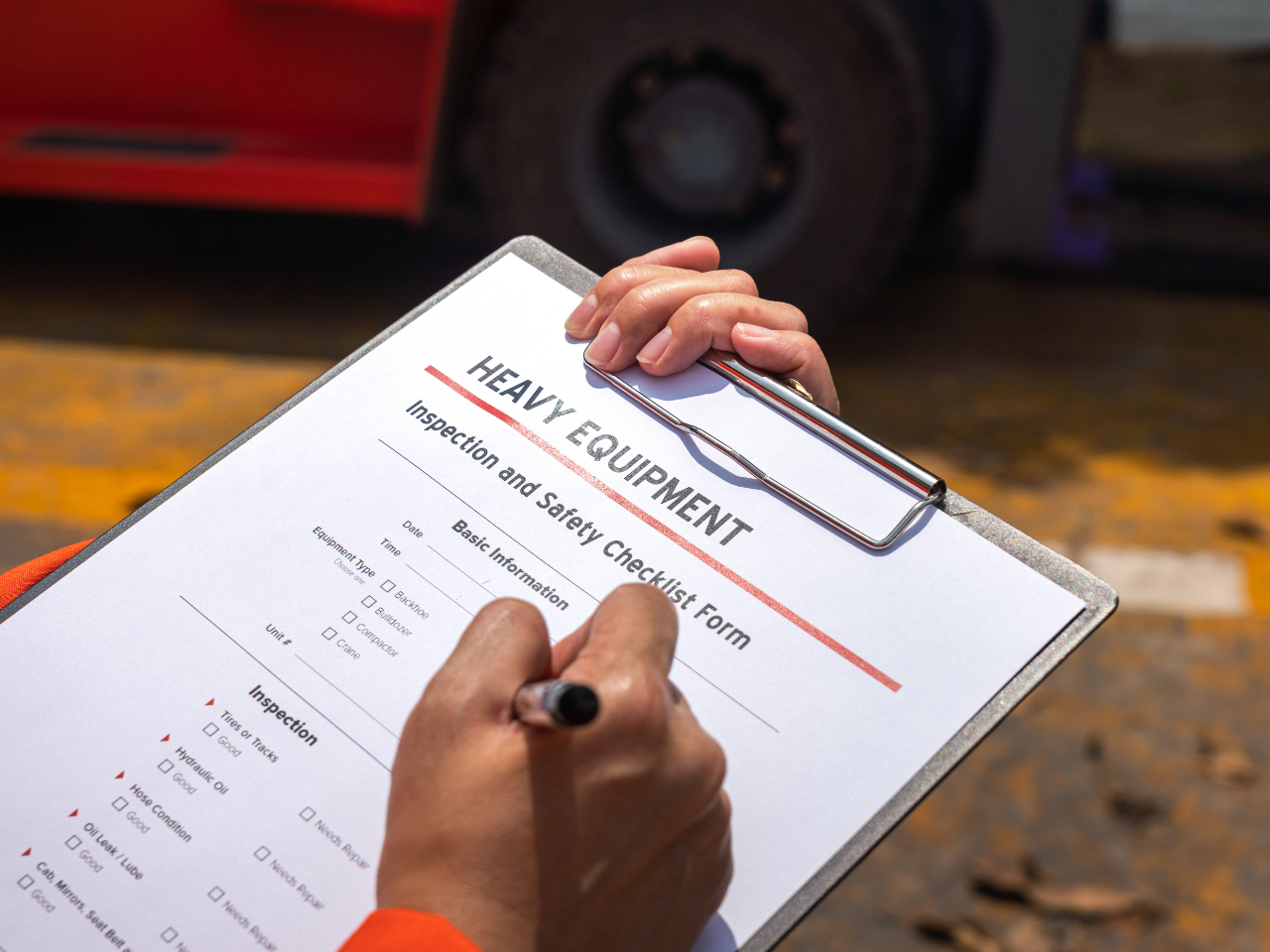
Common Incident Types (How Accidents Happen)
Data from Australian safety regulators shows that most forklift incidents fall into three main categories:
❌ Pedestrian Collisions
Forklifts striking or running over workers due to poor blind spots, lack of separation zones, or operator/walker distraction.
❌ Crush Injuries
Workers being pinned between a moving forklift and a fixed object, such as warehouse racking, a wall, or a delivery truck.
❌ Tip-Overs (Roll-overs)
The forklift turning over sideways or tipping forward. This is usually caused by speeding, turning too quickly with a raised load, or operating on uneven surfaces/slopes.
Crushing caused by a forklift tipping over accounts for roughly 40% of all forklift-related fatalities.
What Is A Pedestrian Exclusion Zones
A forklift pedestrian exclusion zone is a designated safe forklift area that restricts workers and foot traffic from entering an active forklift working zone.
If a forklift is moving, no pedestrian should be within its zone. If a worker needs to approach the driver to hand over paperwork or discuss a load, the forklift must come to a complete stop, lower its forks entirely to the ground, and turn off the engine before the pedestrian steps in.
For a fully compliant warehouse environment, your traffic management plan should implement the following:
- Physical separation with barriers
- Implement the 3-meter rule
- Provide driver designated safety zone
- Integrate better technology
- Develop a comprehensive traffic management plan
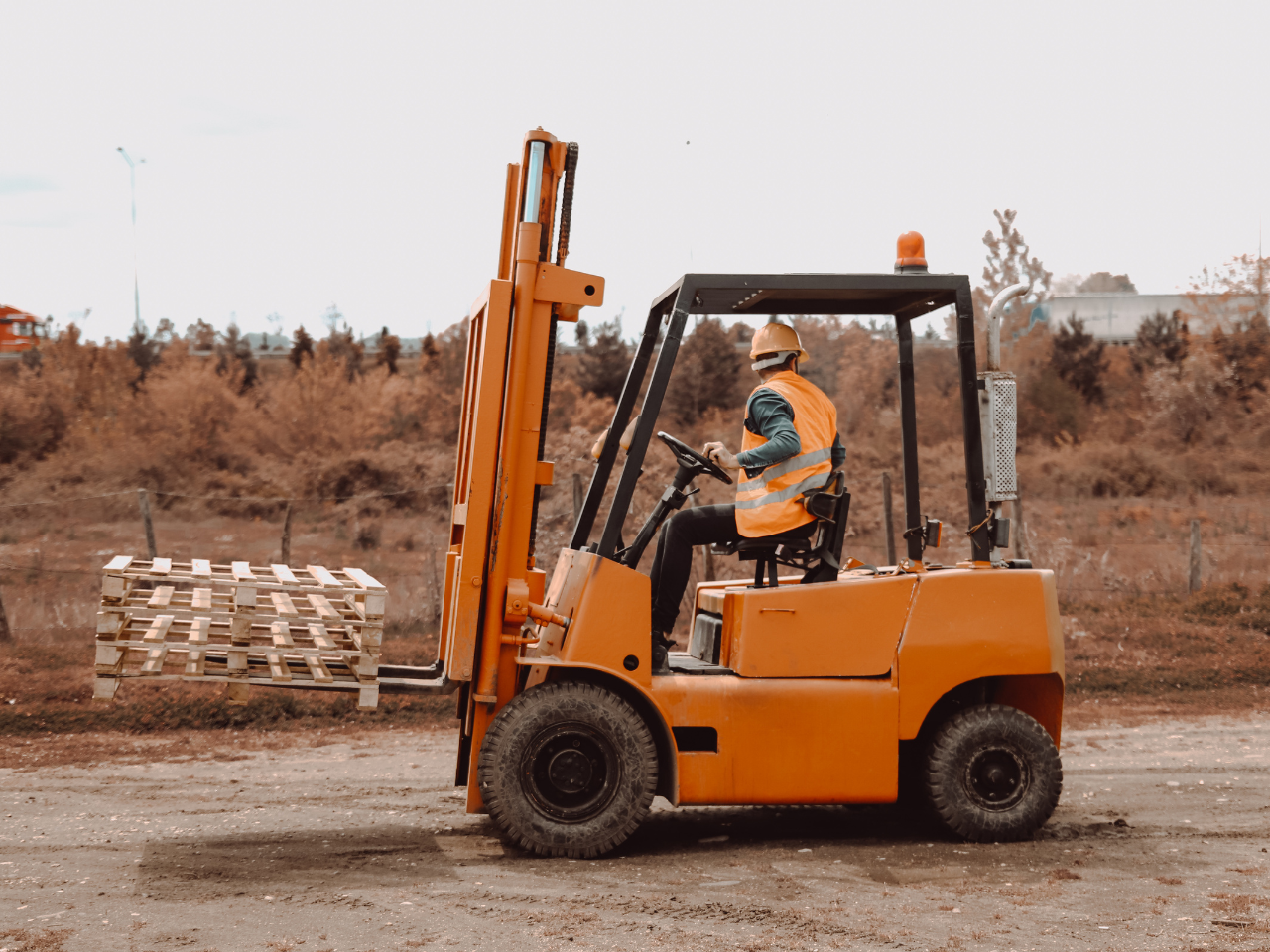
Stats and Facts on Forklift Safety in Australia
➡️ Approximately 25% of serious forklift accidents are directly attributed to a lack of proper operator training, poor site familiarisation, or unauthorised usage of the machinery.
➡️ In the industrial, manufacturing, and logistics sectors, forklifts are responsible for 10% to 15% of all serious injuries involving mobile plant machinery, making them one of the highest-risk assets on any site.
Ready to Upgrade Your Forklift Fleet Safely?
If you are ready to look into forklift hire, purchase a new machine, or explore lease-to-own options, contact the knowledgeable team at Forklogic. We help you choose the right machinery for your business while ensuring your site safety remains the number one priority. Call us today on 1300 360 936 and speak directly with our team, or fill out our online enquiry form.