How long Does An Electric Forklift Battery Last?
An electric forklift battery typically lasts between five and seven years under normal operating conditions. The actual lifespan depends on how often the forklift is used, how the battery is charged, and whether proper maintenance is carried out consistently. Forklifts operating in high-demand environments with multiple shifts per day may experience shorter battery life, while those used less frequently and maintained correctly can exceed average expectations.
Battery lifespan is measured in charge cycles rather than calendar time. One full discharge followed by a complete recharge counts as a single cycle. The faster these cycles accumulate, the sooner replacement becomes necessary.
What Affects Electric Forklift Battery Lifespan?
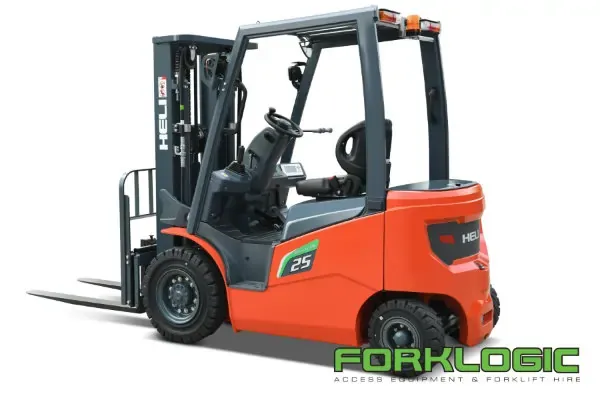
Several factors directly influence how long an electric forklift battery will last. Daily operating hours play a major role, as frequent deep discharges place additional strain on the battery and reduce overall battery efficiency. Charging habits are also critical. Consistently allowing the battery to run too low or using opportunity charging incorrectly can shorten its usable life.
Environmental conditions such as temperature and humidity affect performance and longevity. Extreme heat accelerates wear, while cold conditions can reduce capacity and efficiency. For an acid battery, proper watering is essential. Using a battery watering system helps maintain correct electrolyte levels, reduces the risk of plate damage, and supports consistent battery efficiency over time. In addition, a battery management system can help monitor charging cycles, usage patterns, and performance data, allowing issues to be identified early and helping extend battery lifespan. Operator behaviour, including how smoothly the forklift is driven and whether charging and watering guidelines are followed, also contributes to battery health over time.
Types of Electric Forklift Batteries: Acid Battery Vs Ion Battery
Electric forklift batteries are commonly available in lead-acid and lithium-ion formats. Lead-acid batteries are widely used and cost-effective, but they require regular watering, cleaning, and ventilation during charging. They are heavier and typically need dedicated charging areas and downtime between shifts, which can impact productivity in busy operations.
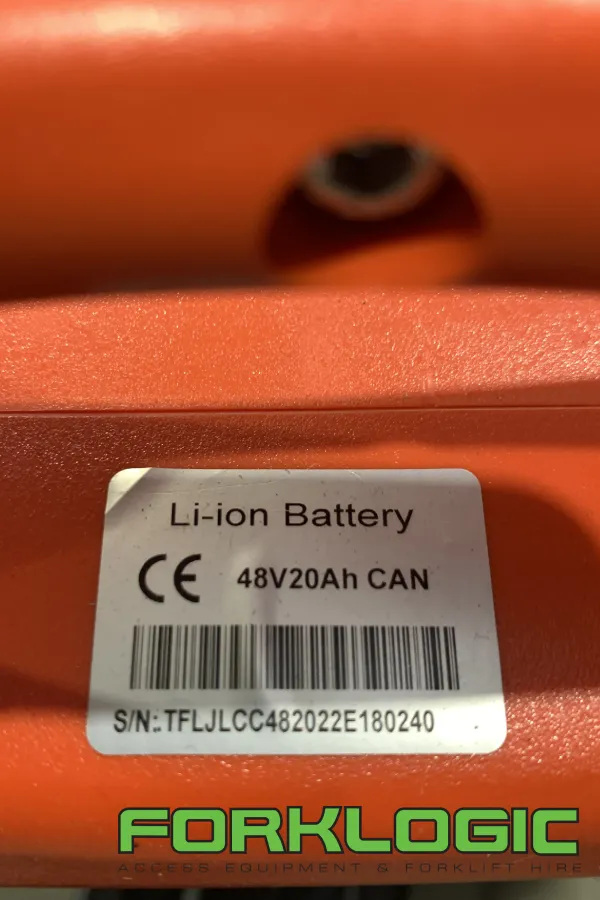
Lithium-ion batteries offer faster charging, higher battery efficiency, and minimal maintenance requirements. They do not require watering and can support opportunity charging without the same level of degradation, making them well-suited to multi-shift and high-use environments. While lithium-ion batteries have a higher upfront cost, their longer lifespan, reduced maintenance needs, and improved operational efficiency can offset the initial investment over time. For businesses looking to minimise downtime and simplify battery management, electric forklifts equipped with integrated lithium-ion battery systems, such as those supplied by Forklogic, offer a practical and reliable solution. See our collection of lithium battery-powered forklifts.
Electric Forklift Battery Maintenance Tips
Proper electric forklift battery maintenance is essential for maximising lifespan and maintaining reliable performance. Lead-acid batteries should be watered regularly using the correct water level and only after charging. Battery terminals and casings should be kept clean and free from corrosion to ensure efficient power transfer.
Charging should follow manufacturer recommendations, avoiding overcharging or repeated partial charges unless the battery type supports it. Batteries should also be inspected routinely for physical damage, overheating, or signs of reduced capacity. Consistent maintenance helps prevent premature failure and costly replacements.
When Should an Electric Forklift Battery Be Replaced?
An electric forklift battery should be replaced when it can no longer hold sufficient charge to support normal operating hours. Common warning signs include reduced run time, frequent voltage drops, longer charging periods, and overheating during use or charging. If maintenance no longer improves performance, replacement is usually the most cost-effective option.
Battery age is another indicator. Even with good care, most electric forklift batteries reach the end of their service life after several years of regular use. Replacing the battery at the right time helps maintain productivity and avoids unexpected downtime.
How the Electric Forklift Battery Replacement Process Works
The electric forklift battery replacement process begins with assessing the forklift’s specifications to ensure compatibility with the new battery. The old battery is then safely removed using appropriate lifting equipment, as forklift batteries are heavy and require careful handling.
Once removed, the replacement battery is installed and tested to confirm correct fit and performance. Charging systems may also be checked to ensure compatibility with the new battery type. The overall electric forklift battery price will vary depending on battery size, chemistry, and operational requirements.
What Happens to an Old Electric Forklift Battery?
Old electric forklift batteries are classified as recyclable industrial waste and must be disposed of responsibly. Lead-acid batteries are typically recycled due to their recoverable materials, while lithium-ion batteries require specialised handling. Disposal should always follow local environmental regulations and industry guidelines.
Electric Forklift Battery Charging and Charger Considerations
Choosing the correct electric forklift battery charger is essential for safe and efficient operation. Chargers must be matched to the battery’s voltage, capacity, and chemistry to avoid damage. Using an incompatible charger can reduce battery lifespan and increase safety risks.
Charging practices should align with the battery type. Lead-acid batteries generally require full charging cycles and cooling periods, while lithium-ion batteries can support partial and opportunity charging. Proper charging habits reduce wear, improve reliability, and help extend the overall life of the electric forklift battery.
Electric forklift batteries are a long-term investment, and their lifespan is directly influenced by how they are used, maintained, and charged. Understanding when a battery needs replacing, how the replacement process works, and how charging equipment affects performance helps prevent unexpected failures and operational delays. With the right maintenance practices and informed planning, businesses can maximise battery life, improve reliability, and ensure their electric forklifts continue to operate efficiently and safely over time.
Forklift Battery Servicing and Ongoing Maintenance Support
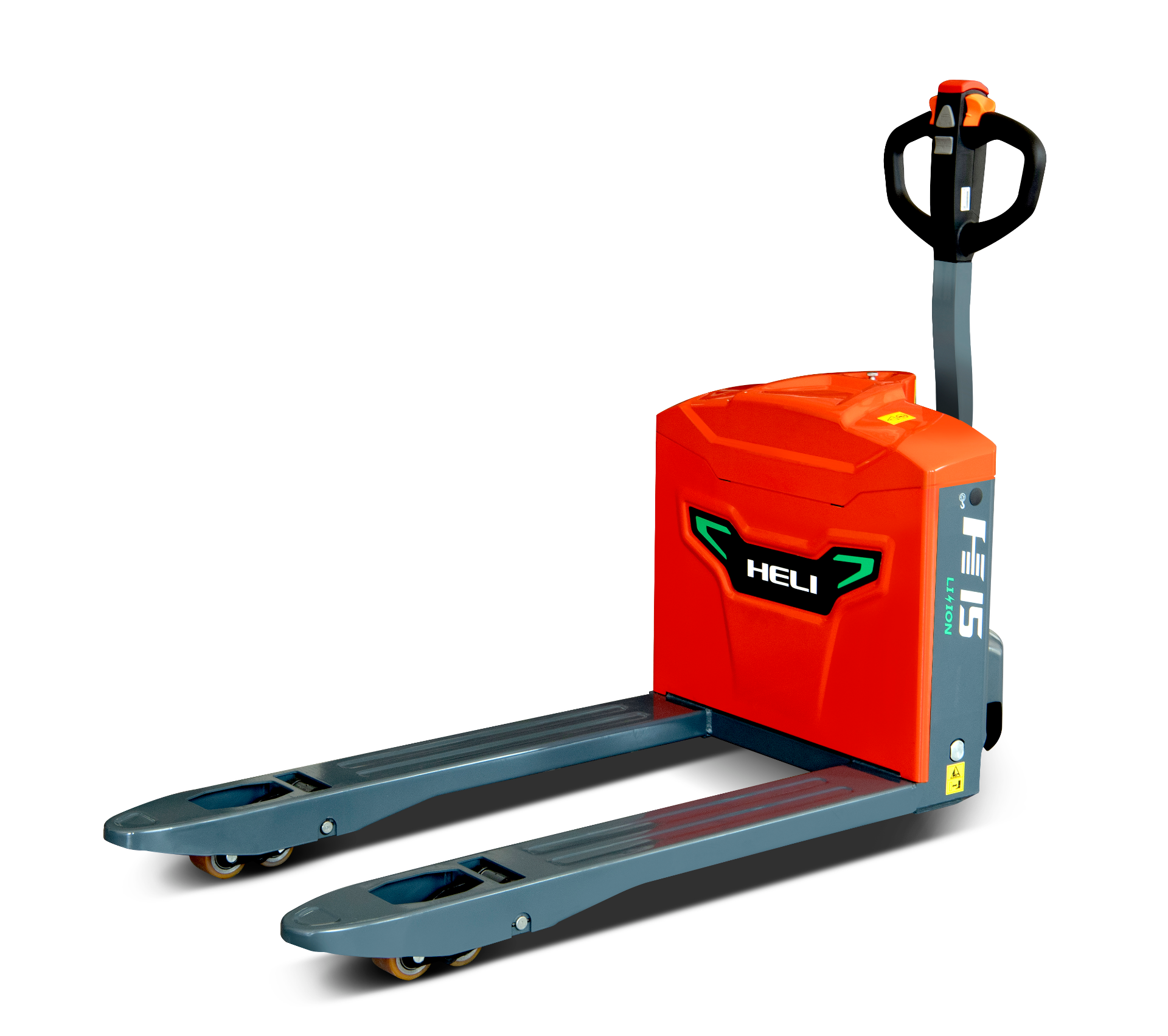
Regular forklift servicing plays an important role in maintaining electric forklift battery performance and identifying issues before they lead to downtime or premature battery failure. Routine inspections help ensure charging systems are operating correctly, battery condition is monitored, and related electrical components remain in safe working order.
Forklogic provides comprehensive forklift service and maintenance across a wide range of electric forklifts and materials handling equipment. While Forklogic does not sell standalone electric forklift batteries, servicing support can help businesses manage battery health as part of a broader preventative maintenance approach.
Scheduled servicing, combined with proper battery maintenance practices, can improve reliability, support battery efficiency, and extend the overall working life of electric forklifts. Preventive maintenance programs also help businesses plan servicing requirements more effectively and reduce the risk of unexpected breakdowns.
If you need guidance on electric forklift battery care, maintenance planning, or whether a lithium battery forklift is suitable for your operation, the Forklogic team is available to help. You can speak with an experienced specialist by calling 1300 360 936 for practical advice tailored to your equipment and operating requirements.