LO or LF Forklift Licenses in Australia: Which One Do You Need?
Qualifying for your forklift licence is an essential step in working in a warehouse, in logistics or on a construction site. However, securing a forklift licence isn't as easy as it looks. In Australia, operating a forklift is called a High Risk Work (HRW). This means the licensing is strict, so that you can stay as safe as possible and choosing the right licence for you and your line of work is crucial.
At Forklogic, we believe in getting it right the first time. In this guide, we’ll break down the key differences between LO and LF forklift licences and how to decide which “ticket” is right for you and your job.
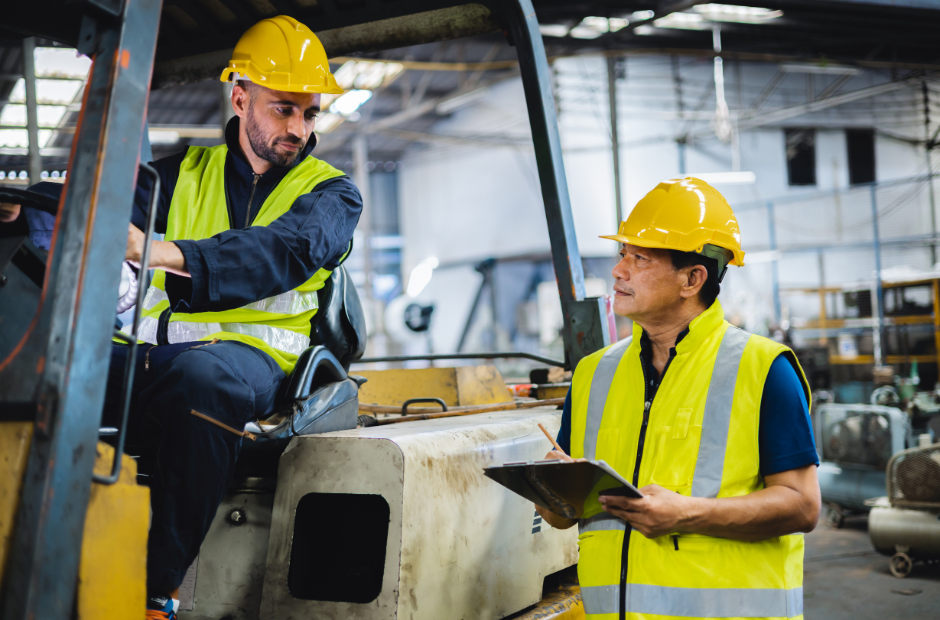
What is an LF Forklift Licence?
A LF Forklift licence is the most widely recognised forklift licence in Australia. This qualification allows you to drive and operate the majority of industrial forklift trucks, including counterbalance forklifts, high-reach forklifts and side-load forklifts.
In an LF-rated forklift, the driver stays in a seated or standing position while the forks move independently to lift loads such as pallets. As these types of forklifts are used throughout Australia, the LF licence is considered an essential foundational skill for anyone who is working in warehouses, logistics or in the manufacturing industry.
What is a LO Forklift Licence?
The LO Class Forklift Licence is a specialist qualification for operating an Order Picking Forklift, also called a “stock picker”. Unlike a standard forklift, the driver platform rises and falls with the load. This lets workers manually pick up individual items from heights of up to 10 metres. These forklifts are most commonly used in narrow-aisle warehouses and drivers need to wear a harness, abide by a different set of safety requirements and be comfortable working at heights.
How Do I Get A Forklift License and How Much Does it Cost?
Securing a forklift ticket is pretty straightforward. It follows a simple 3-step process:
- Training and Assessment
To obtain a forklift licence, you must enrol with a Registered Training Organisation (RTO) such as TAFE and complete all the necessary units. It doesn’t matter what licence you are going for; you still have to enrol. The course usually takes between 2 and 3 days and includes a good mix of classroom theory and practical elements.
- Final Exams
Once you have completed all the coursework, you will take the final exam and assessment with a qualified instructor. This includes a written theory test and a driving test to demonstrate that you can operate a forklift safely.
- Application
After you pass, you have 60 days to lodge your application online through the WorkSafe portal. They will then post you a High Risk Work (HRW) licence card.
These courses can cost anywhere between $300 - $650, depending on what training organisation you choose. If you want to go for your LF and LO licences at the same time, that will cost you around $650 - $900.
After completing the course successfully, you will be able to safely drive forklifts all over Australia. Keep in mind, forklift licences need to be renewed every 5 years.
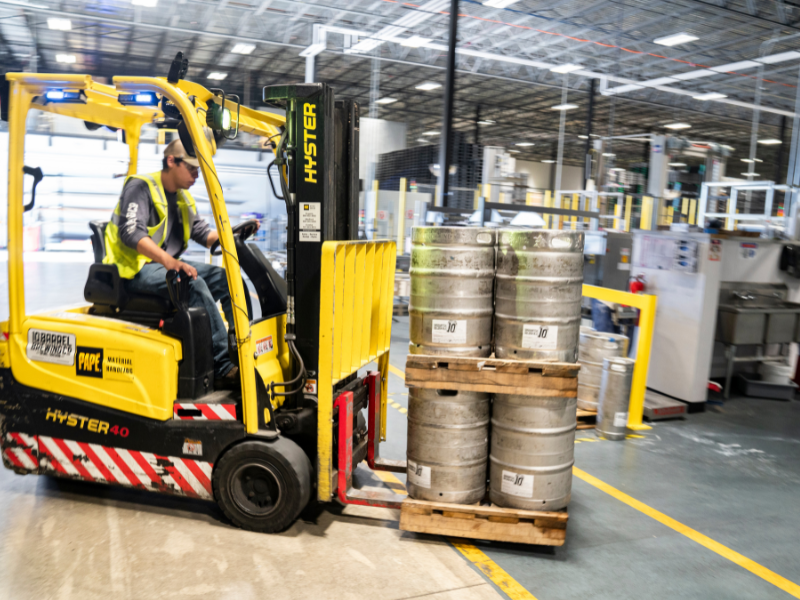
Can I Operate a Forklift Without a License?
The short answer is no. You cannot drive and operate a forklift without a licence. If you do, you don’t just put yourself at risk but your co-workers, your productivity and the reputation of your workplace.
What Are The Benefits of Getting a LO or LF Forklift Licence?
To operate a forklift safely, it’s essential to have the right kind of training. Obtaining your licence can help you improve your forklift driving skills, understand nuisances like balancing and load capacities and gain new career opportunities.
Which Licence Should You Choose?
Deciding whether to get an LF or an LO forklift licence ultimately depends on your overall career goals. While Forklogic doesn’t offer forklift training or licensing, our team is happy to provide general guidance and advice about where to do your training. Simply call us on 1300 360 936.
References
WorkSafe Qld, 2021: https://www.worksafe.qld.gov.au/safety-and-prevention/hazards/workplace-hazards/dangers-in-your-workplace/forklifts
Kallibr Training, Do I Need an LO or an LF Forklift Licence, 2024: https://kallibr.com.au/do-i-need-an-lo-or-an-lf-forklift-licence/
Hyworth Forklifts, Understanding Forklift Licence in Australia LF Vs. LO, 2026: https://hyworthforklifts.com.au/understanding-forklift-licence-in-australia-lf-vs-lo/