Forklift Licence Information
If your role in the workplace requires you to work on a forklift, you will need to obtain the right licence. It’s your ticket to safer, smarter, and more efficient operation. A nationally recognised forklift licence isn’t just a requirement, it helps you meet workplace safety standards, gives you the skills and confidence to handle equipment and boosts your employability. Whether you’re stepping into warehousing, construction, logistics, or manufacturing, being properly licensed ensures your safety, productivity and compliance.
Obtaining a forklift licence in Australia is straightforward and highly worthwhile, whether you are upskilling in your current role or improving your employability and career prospects. Whether you are starting out or upgrading your skills, choosing a reputable Registered Training Organisation (RTO) is an important first step toward safe and compliant forklift operation. Forklogic does not provide forklift training or licensing, and forklift licence requirements can vary by state, so it’s important to check your local work health and safety regulator for current requirements and approved RTOs.
Whether you work full-time or part-time, you must complete the required training, both theory and a practical assessment with your RTO. You may think that one forklift licence enables you to operate any associated machinery; however, this is not the case. There are different categories depending on the equipment you are operating.
This guide covers what you need to know about forklift licences in Australia, how to get certified, and why it matters.
What is a Forklift Licence?
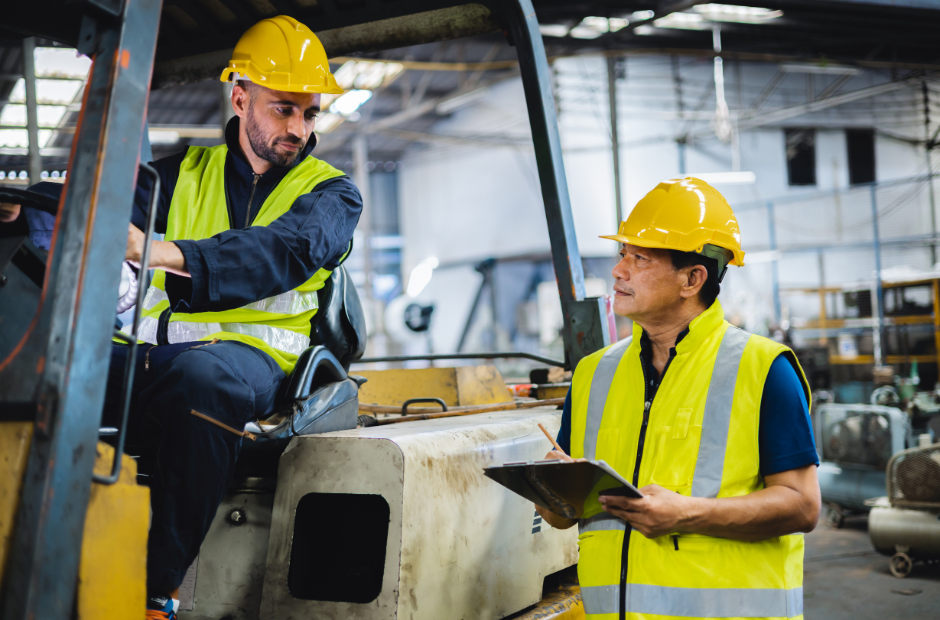
A forklift licence is an official certification that allows individuals to operate a forklift safely and legally in the workplace. In Australia, forklift licences are regulated under the Work Health and Safety (WHS) laws, and all operators must hold a valid and applicable licence before using a forklift on any job site. Being licensed also provides insurance coverage if required.
Types of Forklift Licences:
Forklift licences in Australia are categorised based on the type of forklift and its use:
✔️LF – Standard Forklift Licence - Covers basic counterbalance forklifts, and any forklift that lifts a load using a pair of tines, regardless of size or design, as long as it is not an order-picking forklift. It also covers Reach forklifts, Telehandlers, High lift forklifts, and walk behind forklifts
✔️LO – Order-Picking Forklift Licence - An LO forklift licence allows you to operate order-picking forklift trucks, where the operator’s platform rises to access stock on higher racking, which is different from standard forklifts because the operator is lifted with the load
✔️LR – Rough Terrain Forklift Licence - An LR forklift licence allows you to operate rough-terrain or industrial forklifts, which are designed for off-road or uneven surfaces. These forklifts are heavier-duty and can handle challenging environments like construction sites, quarries, and outdoor storage yards.
Who Needs to Have a Forklift Licence?
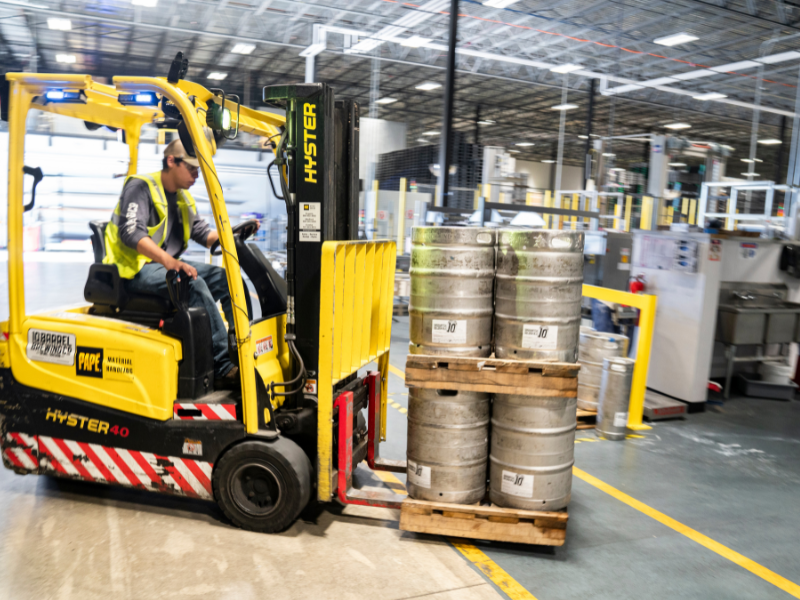
Anyone operating a forklift in Australia must hold a valid licence, and it's an employer's legal responsibility to ensure that all staff are properly trained and licensed. It’s important to select the right licence based on the type of forklift you will operate, and this typically relates to the industry you are working in. Industries where forklifts are essential for operations include
- Warehousing & Logistics – Moving pallets, loading/unloading trucks, and organising inventory.
- Recycling & Waste Management – Lifting and moving recyclable materials, waste, or scrap metal.
- Construction – Transporting building materials like bricks, steel, and timber around job sites.
- Manufacturing – Handling raw materials, components, and finished products on factory floors.
- Retail & Wholesale Distribution – Stocking and transporting goods in large retail stores or distribution centres.
- Agriculture & Farming – Moving produce, feed, fertilisers, and equipment on farms.
- Ports & Shipping – Loading and unloading containers and heavy cargo.
- Mining & Quarries – Transporting minerals, ores, and heavy machinery.
How to Get a Forklift Licence?
To obtain a forklift licence, you must complete the necessary training for both theory and practical assessment through a registered training organisation (RTO). Once you successfully pass the assessment, you must apply for a high-risk work licence (HRW) with your individual state's work health and safety authority. Obtaining this qualification involves several costs, including training fees, assessment fees, and the official high-risk work licence application fee. In some instances, employers may cover the cost of obtaining a forklift licence for their employees, especially if operating a forklift is a core part of the job. Particularly in fields such as warehousing, logistics, construction, and manufacturing, where a forklift is essential. To start the process:
- Choose a Registered Training Organisation (RTO): Forklift training can only be provided by accredited RTOs. If you are employed, your employer may suggest a suitable RTO for your training.
- Complete the Training Course: The training typically includes both theoretical and practical components, covering workplace safety, load management, and operational techniques.
- Pass the Assessment: You will be assessed on your knowledge and practical skills to ensure you can operate a forklift safely.
- Receive Your Licence: Once you pass and your licence is granted, you will receive a high-risk work licence card from your state or territory regulator.
Forklift Licence Requirements Can Vary by State
While a forklift licence is recognised nationally across Australia, many people don’t realise that the application process, fees, renewal rules, and assessment timeframes can vary between states and territories. Each state has its own Work Health and Safety (WHS) regulator that issues High Risk Work (HRW) licences, and requirements such as medical declarations, photo ID standards, temporary licences, and processing times may differ. Some states issue interim licences immediately after assessment, while others require formal approval before you can legally operate. Because of these differences, it’s important to always check your local government regulator’s website to ensure you’re meeting the correct requirements for your state before enrolling with a Registered Training Organisation (RTO).
Forklogic does not provide forklift training or licensing. For accurate, up-to-date requirements and a list of approved RTOs in your area, we recommend starting with your state or territory regulator below.
Official State & Territory Forklift Licensing Authorities
You can find licensing requirements and approved RTOs through the following government websites:
-
SafeWork NSW – New South Wales
-
WorkSafe Victoria – Victoria
-
WorkSafe Queensland – Queensland
-
SafeWork SA– South Australia
-
WorkSafe WA– Western Australia
-
WorkSafe Tasmania– Tasmania
-
WorkSafe ACT – Australian Capital Territory
-
NT WorkSafe – Northern Territory
These regulators provide official guidance on forklift licence eligibility, costs, renewals, and how to locate an approved Registered Training Organisation near you.
Benefits of Having a Forklift Licence
Having a valid forklift licence provides significant benefits for both employees and employers. It ensures compliance with legal requirements, promotes workplace safety, maintains insurance coverage, and boosts career prospects. Licensed operators are trained to use equipment responsibly, reducing the risk of accidents and enhancing overall efficiency on the job.
✔️Legal Compliance: Avoid fines and penalties for operating without a licence.
✔️Workplace Safety: Reduce accidents and help protect you and others.
✔️Career Opportunities: Many employers require licensed operators, making it easier to secure work.
✔️Skill Recognition: Demonstrates professionalism and competence in operating forklifts.
While Forklogic does not offer forklift training or licensing, our team is happy to provide general guidance about where to obtain a forklift licence, call us on 1300 360 936.