Which EWP Do You Actually Need? The Essential Differences Between Indoor and Outdoor EWP’s.
Selecting the correct Elevating Work Platform (EWP) is crucial when it comes to working safely and efficiently at heights. However, many project managers don't actually realise that there is a difference between indoor and outdoor EWP’s. It’s not just about the tyres, but more that they are governed by strict Australian standards (AS2550.10) and mandatory wind-rating regulations. Choosing the wrong EWP can result in severe Work Health and Safety (WHS) fines, workplace damage, and site accidents. At forklogic, we provide a comprehensive range of EWP’s for sale and hire. Contact us today for more information on which EWP equipment would best suit your business.
What Is An Elevating Work Platform (EWP)?
A EWP is a piece of mobile machinery equipment that has been designed to safely lift and lower personnel, tools, and construction materials. They consist of the main base support and level work platform that is complete with controls, an extendable structure, and a chassis. Common EWP’s range from electric scissor lifts, vertical mast lifts, boom lifts, and cherry pickers. Using an EWP for your job is significantly faster, more flexible, and a much safer alternative to traditional scaffolding or ladders. At Forklogic, we specialise in providing fully certified EWP’s for sale and hire that suit both indoor warehousing and rugged outdoor work sites.
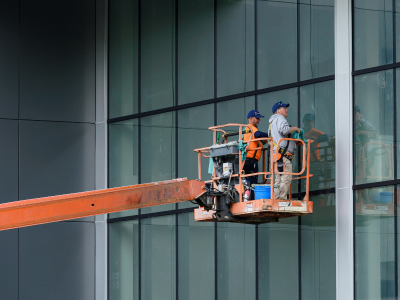
Indoor Vs Outdoor Elevating Work Platform
At Forklogic, we understand that elevating Work Platforms (EWP’s) are the best piece of equipment your business can have for working safely at heights. So, how do you know you have the right EWP for the job? Forklogic specialises in understanding the key differences between indoor and outdoor EWP’s so you can guarantee that you are hiring or buying the right equipment.
Tyres and Traction
- Indoor EWP’s: Indoor EWP’s are equipped with solid, non-marking rubber tyres that have been designed for smooth and flat concrete slab floors so they do not leave scuff marks.
- Outdoor EWP’s: Outdoor EWP’s are fitted with pneumatic (air-filled) or heavy-duty foam-filled rough-terrain tyres. They have deep treads designed to navigate mud, gravel, slopes, and uneven surfaces.
Power and Emissions
- Indoor EWP’s: Indoor EWP’s are exclusively battery-powered which ensures zero harmful exhaust emissions within the enclosed workspaces while allowing for quieter operations. These have been built for flat ground and are compact, high-efficiency EWP’s that are designed for smooth acceleration and maximum runtime.
- Outdoor EWP’s: Outdoor EWP’s have been engineered to withstand harsher Australian environments. They utilise a mix of waterproof, high-torque lithium-ion batteries with advanced moisture protection as well as diesel powerhouse options for heavy off-grid lifting
Stability and Wind
- Indoor EWP’s: Indoor EWP’s feature a narrow turning radius for tighter indoor spaces. They also have a lower ground clearance which makes them more sensitive to even the slightest incline or uneven floors.
- Outdoor EWP’s: Outdoor EWP’s feature heavy counterweights, wider wheelbases, active oscillating axles, and stabilising outriggers to prevent the EWP tipping on uneven ground. They are also rated for specific wind speeds and must be lowered in high winds. You legally require a machine stamped with a certified outdoor wind rating of at least 45 km/h under AS2550.10 rules.
Size and Reach
- Indoor EWP’s: Indoor EWP’s are smaller and lighter and are limited to lower working heights that are often under 12 meters.
- Outdoor EWP’s: Outdoor EWP’s are built larger and are heavier to reach much higher heights while providing horizontal reach over obstacles.
Chassis Footprint and Spatial Limitations
- Indoor EWP’s: Indoor EWP’s are built with a compact chassis, folding guardrails, and zero tail-swing which are designed to navigate through standard Australian doorways, fit inside commercial elevators, and turn tightly around warehouse aisles.
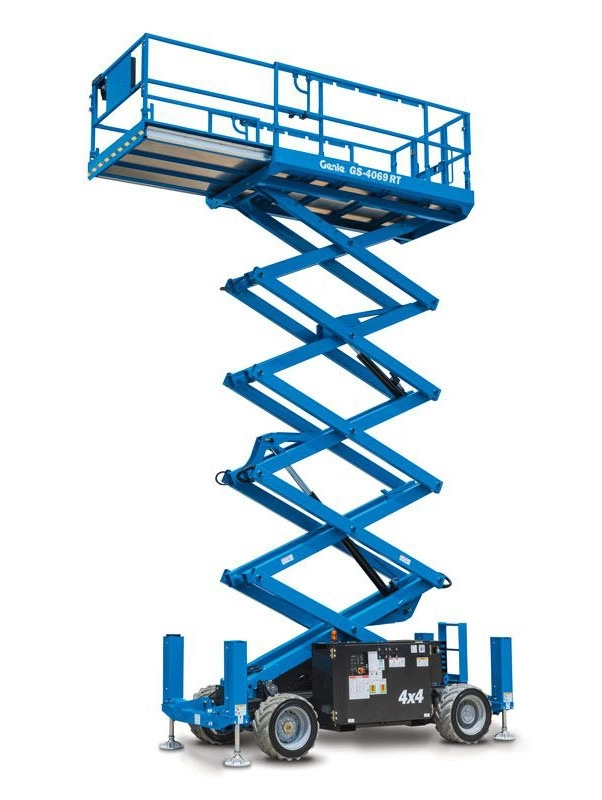
- Outdoor EWP’s: Outdoor models require a much wider footprint to handle wind and uneven terrain. They often feature hydraulic outriggers (stabilising legs) that extend outwards which levels the machines therefore making them too bulky for tight indoor spaces.
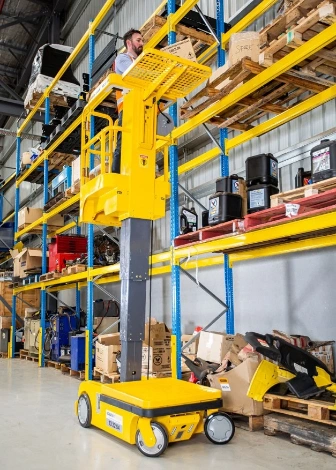
Common Indoor EWP's Used in Warehouses
- Electric scissor lift
- Warehouse scissor lift
- Indoor scissor lift hire
- Compact scissor lift
- Indoor cherry picker
- Electric cherry picker
Indoor EWP’s are ideal for:
- Stock picking
- Shelf maintenance
- Lighting installation
- Warehouse inspections
Safety Considerations For Indoor EWP’s
- Floor load capacities
- Overhead obstructions
- Pedestrian traffic
- Emergency lowering systems
Operators should also ensure sufficient aisle clearance while maintaining safe working distances around the workplace.
Common Outdoor EWP's Used Outside
- Rough terrain scissor lift
- Outdoor scissor lift
- Construction scissor lift
- Outdoor cherry picker
- Diesel boom lift
Outdoor EWP’s are designed for:
- Uneven ground
- Large outdoor work areas
- Heavy lifting tasks
Safety Considerations For Outdoor EWP’s
- Wind speed limits
- Ground stability
- Overhead power lines
- Fall protection systems
- Weather conditions
Operators should complete site risk assessments before using EWPs outdoors.
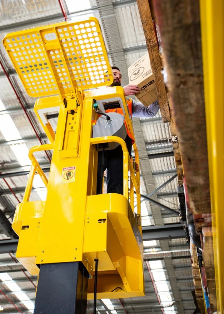
Indoor and Outdoor EWP’s Available from Forklogic
Forklogic has a range of both new and used elevated work platforms as well as options for hiring. Contact us today to speak to our team about which option would suit your business.
- Scissor Lifts
- Boom Lifts
- Telehandlers
- Cherry Pickers
- Elevated Work Platforms (EWP)
- All-Terrain Elevated Work Platforms
Indoor/Outdoor EWP’s: Hire vs Purchase
Once your business has decided on which EWP is the best fit for your projects, the next question is deciding whether hiring or purchasing an elevated work platform is the most cost-effective solution. The choice depends on the project you are completing, the duration, usage frequency, maintenance capacity, and budget and at forklogic, we can help you with both options.
Reasons of Hiring:
- Seasonal work
- One-off maintenance tasks
- Short-term projects
- Flexibility
Advantages of Hiring:
- Cost-effectiveness - lower upfront costs
- Access to newer equipment
- Less maintenance responsibilities
- Larger machine selection
Many companies choose EWP hire because it allows them to select the exact machine required for each project without long-term ownership costs.
Reasons of Purchasing:
- Long-term and frequent use
- Large companies with capacity to store
- Warehouses with ongoing access requirements
Advantages of Purchasing:
- Immediate equipment availability
- Greater operational flexibility
- No recurring hiring fees - long-term cost saving
The 10-Second ForkLogic Site Assessment To Understand If You Need An Indoor or Outdoor EWP
⃞ Is there a chance of any wind exposure?
⃞ Is the ground smooth, or is it rough gravel and dirt?
⃞ Does the workplace have enclosed, overhead ventilation?
⃞ Do you need to pass through a standard interior door?
⃞ How high is it that you want to reach?
Reasons Why Forklogic Is Your Number One for Indoor and Outdoor EWP Supplier
Choosing the right access equipment shouldn't be guesswork. At Forklogic, our specialists help you find the ideal EWP solution for your business. From compact indoor EWPs to heavy-duty outdoor models, we supply premium equipment designed to keep your team safe and productive. Contact us today on our contact form, or call us to speak to someone direct 1300 360 936