What are the Height Requirements for EWPs in Australia?
An Elevated Work Platform (EWP) covers all mobile lifts used to access height, but the biggest headache with Australian safety laws is figuring out the exact height you need a special licence for.
Contractors and operators often misunderstand the differince between the EWP’s maximum working heightand the specific height that triggers the need for a High Risk Work Licence.
We are going to break down the precise 11 meter rule and explain the mandatory licence needed to stay legal when running any EWP.
The Legal Standard: Measuring from the Platform
When dealing with EWP safety and licensing, the law cares about one number: platform height.
The common mistake is confusing the lift's maximum working height (how high you can physically reach) with the legal measurement that determines your licence requirement.
Platform Height vs. Working Height
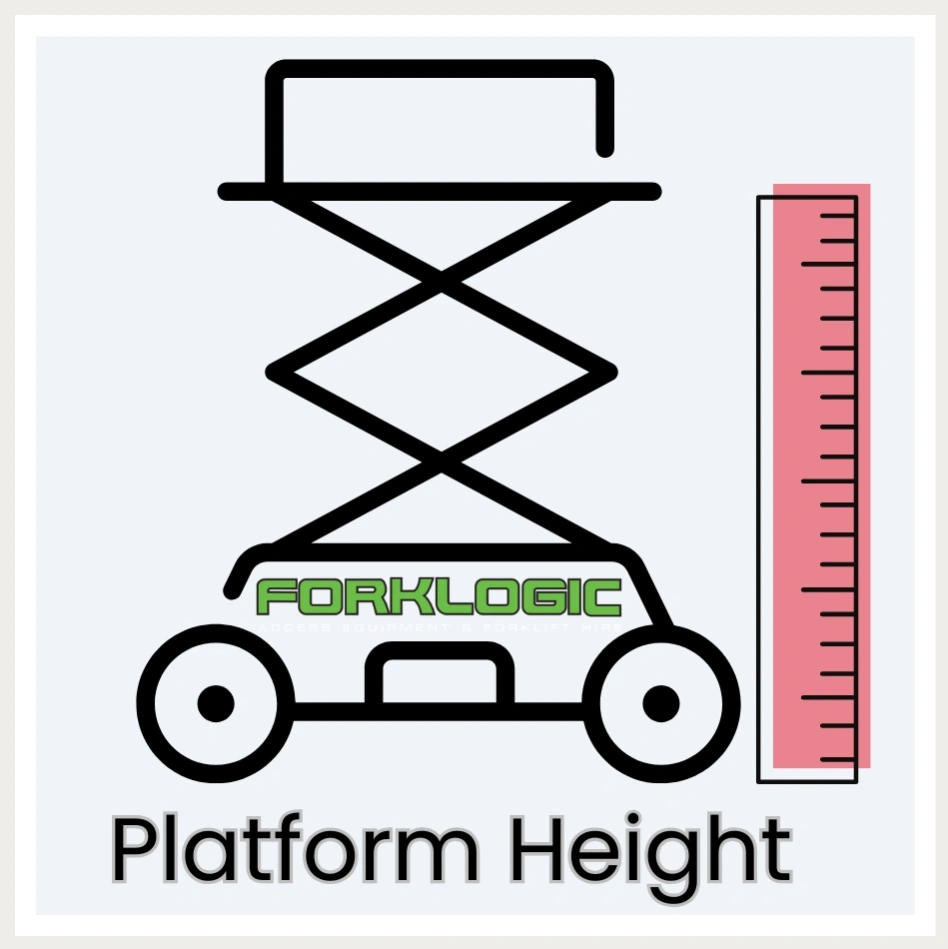
Platform Height (The Legal Measurement)
This is the official measurement: the distance from the ground to the platform floor when the lift is fully extended.
🌟This is the key number used by WHS Australia to enforce the 11-meter licensing rule.
Working Height (The Reach)
This is usually calculated by adding approximately 2 metres (the average height of a person) to the platform height.
This number is useful for job planning but is irrelevant for licensing purposes.
How to measure the Working Height for licensing requirements when using an EWP. it is measured from the floor to the height of the floor of the platform

The 11 Meter Threshold
‼️The 11-meter rule is strict.‼️
If the platform floor goes over 11 metres, you are legally doing High Risk Work and have to get the full High Risk Work Licence.
Why the 11-Meter Rule Dictates Your Licence Type
The 11-metre threshold is the most important number in Australian EWP licensing because it draws a line between two different types of risk.
The law says that if the platform floor goes past this height, the lift is automatically considered High Risk Work.
Mandatory Licensing Requirements (The Two Tiers)
Tier 1: Operating Below 11 Meters (Yellow Card EWP Licence)
If the lift has a maximum Platform Height (PH) of 11 metres or less, operators only need the Yellow Card (also known as the EWPA Operator Training Card).
🪪 Licence Focus: This licence confirms your ability to use the specific type of EWP being operated (eg Scissor or Boom) butdoes notclassify the job itself as high risk.
⚠️ WHS Requirement: This Yellow Card is mandatory for safety and is recognised all over the country. The good news is, it doesn't need formal registration with a state regulator.
Tier 2: Operating Above 11 Meters (HRWL - High Risk Work Licence)
If the lift's maximum PH can extend over 11 metres, the job becomes High Risk Work (HRW).
🪪 Licence Focus: You must hold a specific High Risk Work Licence endorsed for the particular EWP class (e.g., WP: Boom-type EWP).
⚠️ WHS Requirement: This licence is issued by state regulators (like SafeWork NSW or WorkSafe QLD) and is a non-negotiable legal requirement for the safety of the operator and the crew.
WHS Penalties: What Happens If You Don’t Have the Right Licence?
For any job requiring an EWP with a platform height over 11 metres, operating without the correct HRWL Licence is not just an administrative error, it is a major WHS breach.
💥 Financial Penalties
If an inspection catches a worker without the right licence, immediate fines hit both the operator and the business. These penalties are massive and non negotiable.
💥 Stop Work Orders
If the breach is severe, the regulator (like WorkSafe) can issue a Stop Work Order, shutting the job down until the safety issue is sorted. That's big money lost and a major hit to your reputation.
💥 Insurance Voids
If an unlicensed operator causes a major accident, your insurance is likely voided due to breaching the HRW laws. That leaves the company paying the entire bill.
Need Guidance on EWP Compliance & Training?
Dealing with compliance, training, and licensing thresholds can be a major headache. The team at Forklogic specialises in making sure our customers stay legal and safe.
Got questions about the licences your EWPs need? Or need help finding certified trainers? Call our friendly team today on ☎️ 1300 360 936 ☎️
We can help you navigate the complexity of WHS rules and ensure you have the right equipment for the job.
Resources:
Safezone Training - EWP Yellow Card vs High-Risk Work Licence
Worksafe.qld.gov.au - Boom Type Elevating Work Platform
Safe Work Australia - Elevating Work Platforms
EWP Association of Australia - EWP Licensing & Duty of Care Requirements