EWP Site Readiness Scorecard: Is Your Worksite Ready?
Check out our basic site assessment checklist for optimal EWP safety in your worksite
An EWP site readiness scorecard helps businesses check whether their equipment, operators, and working environments are prepared for safe operations.
A ready site is not only about having an Elevating Work Platform (EWP) available. It means each machine is safe, correctly maintained, right for the specific site conditions, and supported by clear safety documentation and emergency plans.
Businesses can improve EWP readiness by reviewing equipment condition, site hazards, ground bearing capacity, maintenance records, operator requirements, and personal protective equipment (PPE).
Why EWP Site Readiness Matters
Elevating Work Platforms are essential for safely working at heights on modern worksites. When a site or machine is not ready for work, businesses can experience safety incidents, unexpected downtime, and reduced productivity.
A machine that starts the day without proper checks may create problems later during critical lifts. Small issues such as hydraulic leaks, unassessed overhead hazards, or soft ground conditions can become major operational and safety concerns if they are ignored. An EWP readiness review helps identify these issues before they affect operations.
What Is an EWP Readiness Scorecard?
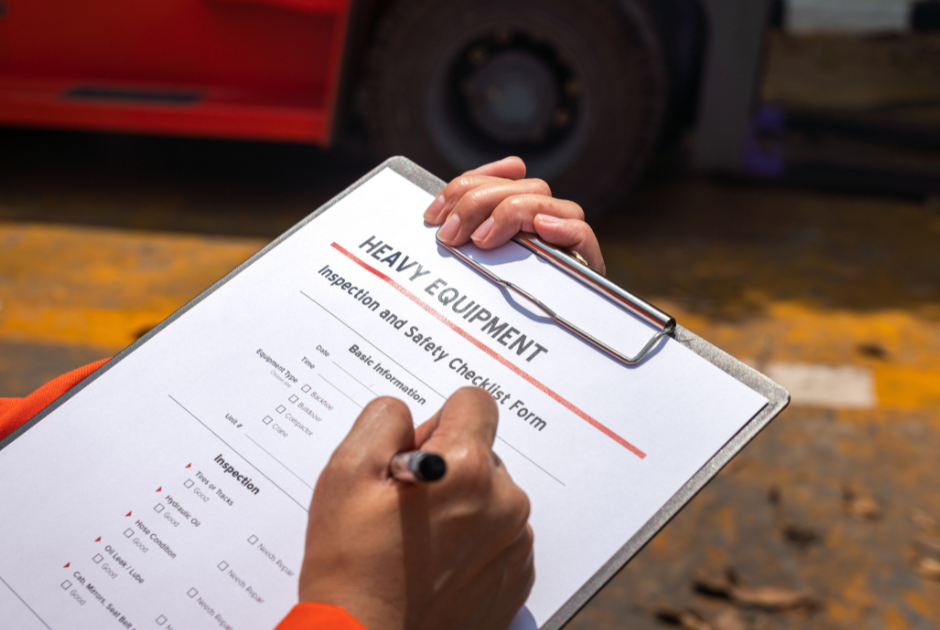
An EWP readiness scorecard is a practical checklist used to assess whether each EWP and the site it will operate on is prepared.
The assessment should review:
- Operator competency and documentation
- Maintenance and service history
- Equipment structural condition
- Hydraulics, wheels, and outriggers
- Site conditions and ground stability
- Personal Protective Equipment (PPE)
Using a scorecard creates a consistent process for checking site and fleet performance instead of relying only on assumptions.
1. Operator Readiness & Documentation
The qualifications and safety awareness of each operator should be reviewed before operation.Check:
[ ] Licence / Competency Card: Operator holds the correct, valid credential for the specific machine type (e.g., EWPA Yellow Card for scissor lifts and booms under 11m; WorkSafe High Risk Work Licence [WP class] for booms 11m and over).
[ ] Risk Assessment & SWMS: Site-specific Safe Work Method Statement (SWMS) or Job Safety Analysis (JSA) is completed, signed off, and understood by all personnel involved.
[ ] Emergency Response Plan: Ground personnel are trained in emergency lowering procedures and aware of rescue plans.
2. Maintenance and Service History
Reviewing machine documentation ensures scheduled maintenance is up to date.Check:
[ ] Machine Logbook: Complete, up to date, located on the machine, and reflects that all scheduled maintenance and prior daily inspections have passed.
[ ] Operating Manuals: Manufacturer operating and safety manuals are present on the machine (stored in the weatherproof canister).
[ ] Decals & Data Plates: Safe Working Load (SWL), slope limits, wind ratings, and warning decals are legible and intact.
3. Equipment Condition Check (Visual & Structural)
The physical condition of each EWP should be reviewed before it returns to regular operation or elevates.Check:
[ ] Structure & Welds: No visible cracks, deformation, rust, or damage to the chassis, boom sections, scissor pack, or basket.
[ ] Platform & Guardrails: Gate/drop bar closes and latches automatically; mid-rails, top-rails, and toe-boards are intact and secure.
[ ] Anchor Points: Certified harness anchor points are undamaged, clearly labeled with rated capacity, and free of corrosion.
4. Hydraulics, Tyres, and Ground Stability components
Check:
[ ] Wheels, Tyres, & Tracks: Correct tyre pressure (if pneumatic), no deep cuts, gouges, missing wheel nuts, or excessive tread wear.
[ ] Outriggers & Stabilisers: Deploy cleanly, interlocks operate, pads are intact, and suitable spreader plates/timbers are available if ground requires them.
[ ] Hydraulics & Fluids: No visible hydraulic, fuel, engine oil, or coolant leaks; hoses free from bulging, chaffing, and weeping fittings.
5. Check the Environment Is Right for the Job (Site Assessment)
Assess how the machine will interact with the specific layout and hazards of the working environment.Check:
[ ] Ground Bearing Capacity: Ground surface is firm, compacted, and capable of supporting the machine's total gross vehicle weight plus maximum rated capacity.
[ ] Voids & Hidden Hazards: Checked for trenches, backfilled ground, drains, service pits, cellars, and manhole covers.
[ ] Overhead Hazards: Safe clearance from overhead powerlines (maintaining regulated exclusion zones), overhead structures, cranes, pipe racks, and foliage.
[ ] Slopes & Gradients: Site incline does not exceed the manufacturer’s rated operational slope limit (both traveling and elevating).
[ ] Crush & Entrapment Hazards: Trajectory free of pinch points, joists, beams, and overhead steelwork where an operator could become trapped against controls.
[ ] Traffic Management: Work zones are segregated using physical barriers, bunting, or cones to keep plant, vehicles, and pedestrians away from the drop and swing zones.
[ ] Weather & Wind Conditions: Wind speed is within the machine’s maximum rated limit. Zero risk of electrical storms or reduced visibility.
6. Personal Protective Equipment (PPE) & Fall Protection
Check that the operator and spotters are wearing appropriate safety gear.Check:
[ ] High-visibility vest or clothing
[ ] Hard hat (secured with a chin strap if working at height)
[ ] Steel-cap safety boots
[ ] Safety glasses and site-appropriate gloves
Disclaimer: This checklist is an informational guide intended for general reference only. It does not replace statutory safety obligations, site-specific Job Safety Analyses (JSA), Safe Work Method Statements (SWMS), or the manufacturer’s specific pre-start and operating manuals.

Looking To Hire Or Buy An EWP For Your Jobsite?
Whether you need to buy or hire modern, fully inspected access equipment for your next project, schedule routine servicing and logbook inspections, or get expert advice on selecting the right platform for your site conditions, our team is ready to help.
Call our team today on 1300 360 936